Here’s the number nobody tells you upfront. You will spend about 30 to 40 minutes actually watching the chimpanzees at Ol Pejeta’s Sweetwaters Chimpanzee Sanctuary. Getting there from Nairobi takes half a day each way. That gap is the real question behind any Ol Pejeta chimpanzee sanctuary visit, not just the entry fee.
I’ve taken families through this sanctuary more times than I can count, kids pressed against the viewing fence, parents checking the time against the drive back. It’s a special stop. But whether it deserves your one precious safari day depends on how you build the rest of the trip around it.
What and Where Is the Sweetwaters Chimpanzee Sanctuary
The Sweetwaters Chimpanzee Sanctuary sits inside Ol Pejeta Conservancy, about 15 km from Nanyuki town in Laikipia County, central Kenya. It’s the only place in Kenya where you can legally see chimpanzees, since chimps aren’t native to the country. Every resident here arrived as a rescue.
The sanctuary covers roughly 400 acres of riverine forest along the Ewaso Nyiro River, fenced and split into sections so different chimp groups don’t clash. Visitors watch from an elevated viewing platform and a boardwalk, not from inside the enclosure.
The History Behind the Sanctuary
The sanctuary opened in 1993, built through a partnership between Ol Pejeta Conservancy and the Jane Goodall Institute. Most of the chimps arrived from Burundi and the Democratic Republic of Congo, orphaned by the bushmeat trade or seized from traffickers who kept them as illegal pets.
Kenya has no wild chimpanzee habitat, so relocating confiscated animals back to the forest isn’t an option. Sweetwaters exists because these chimps needed somewhere safe to live out their lives, not because Kenya is trying to build a tourist attraction. That backstory changes how the visit feels once you’re standing at the fence.
Meet the Residents
Around 30 chimpanzees currently live at Sweetwaters, split across two main groups. Guides know them individually, and that’s what makes the visit memorable rather than just another wildlife stop.
Poco, one of the sanctuary’s older residents, arrived decades ago and is often pointed out as a calm, dominant presence. Judy and Cash are two names guides mention often, along with Bahati, a younger chimp with a distinct personality guides love describing to kids. Ask your guide for updates when you arrive, since group composition and ages shift over the years as new rescues arrive.
Visitor Experience and Rules
You view chimps from a raised platform and boardwalk, never at ground level inside the enclosure. Touching, feeding, or reaching through the fence is strictly forbidden, both for visitor safety and because chimps can carry diseases transmissible to humans and vice versa.
For families, this matters. Kids are naturally drawn to reach toward animals, so plan on standing close by younger children the whole visit. Guides are firm but friendly about the rules, and most kids find the chimps’ antics, chasing, grooming, calling to each other, entertaining enough without needing to get closer.
Entry Fees and the Behind-the-Scenes Add-On
Here’s where most guides quote you a single headline number and stop. The real cost stacks up from several separate fees.
| Item | Indicative Cost (Non-Resident Adult) | Notes |
|---|---|---|
| Ol Pejeta Conservancy entry fee | approx. USD 90/day | Covers general conservancy access, confirm current rate when booking |
| Sweetwaters Chimpanzee Sanctuary | Included in conservancy fee | Standard viewing platform access |
| Behind-the-scenes chimp tour add-on | approx. USD 30-50 per person | Optional, limited slots, book ahead |
| Guided game drive (vehicle + driver-guide) | approx. KES 15,000-25,000 per vehicle/day | Shared across passengers, varies by operator |
| Lion tracking experience add-on | approx. USD 40-50 per vehicle | Optional, radio-collar tracking with researchers |
Rates shift year to year, so treat these as planning ranges, not quotes. A family of four doing conservancy entry, the behind-the-scenes add-on, and a half-day guided game drive should budget somewhere between USD 500 and 700 total for the day, not the USD 90 headline figure alone.
Opening Hours and Feeding Times
The sanctuary opens daily from around 9:00 am to 5:00 pm, with feeding times typically around 10:30 am and 2:30 pm. Chimps gather near the feeding stations at these times, so activity and viewing are best then. Arriving mid-morning or early afternoon gives you the liveliest visit.
Best Time to Visit
Early morning offers cooler temperatures and calmer chimp behavior before the day heats up. Kenya’s dry seasons, January to March and June to October, bring easier road conditions on the drive up from Nairobi. Rainy months (April, May, November) can make the murram roads within the conservancy slower going, though the main highway stays paved.
Getting There: Day Trip From Nairobi Logistics
Ol Pejeta is roughly 200 km from Nairobi, reached via the Thika-Nyeri-Nanyuki road (A2). Drive time runs 3.5 to 4.5 hours one way, depending on Nairobi traffic getting out of the city and truck congestion around Karatina.
Round trip, that’s 7 to 9 hours of driving alone. Add the sanctuary visit, lunch, and maybe a short game drive, and you’re looking at an 11 to 12 hour day if you attempt this from Nairobi and back in one go. For families with young kids, that’s a long day in a vehicle for a 30-40 minute chimp viewing window.
This is exactly the kind of trade-off worth thinking through before you book, weighing whether a long road day trip or flying in makes more sense for your family’s patience and budget. Scheduled flights from Nairobi’s Wilson Airport to Nanyuki take about 45 minutes and cut the travel burden dramatically, though at a higher cost than driving.
Combining the Sanctuary With a Game Drive and Other Ol Pejeta Activities
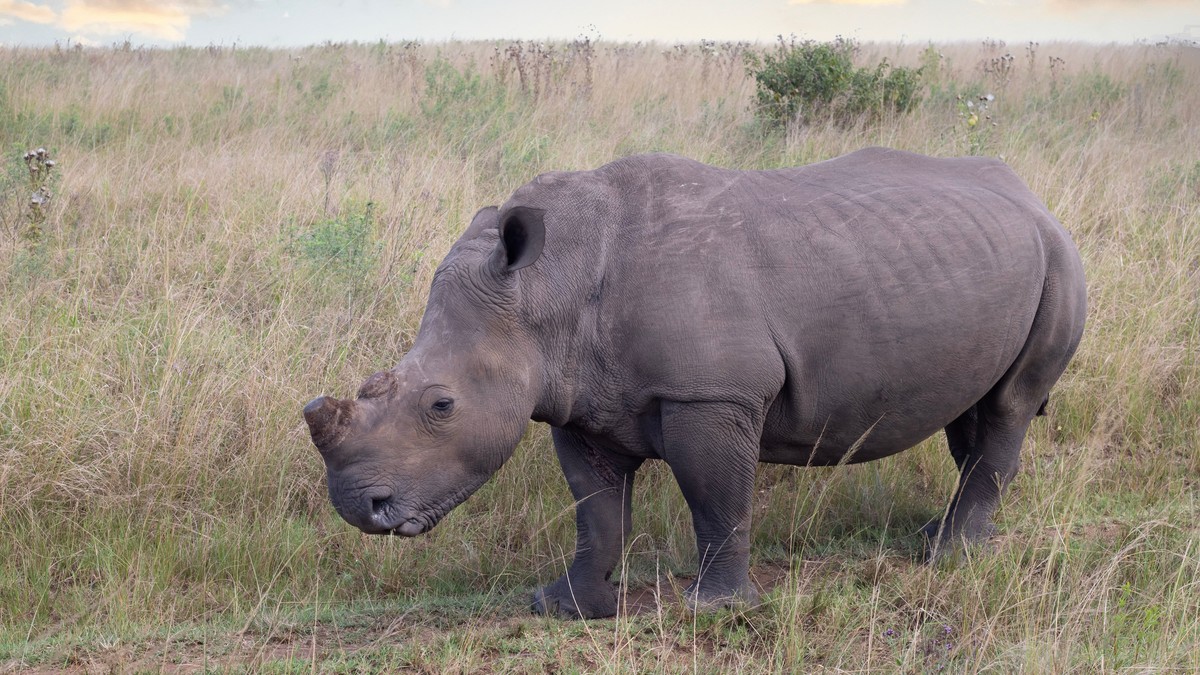
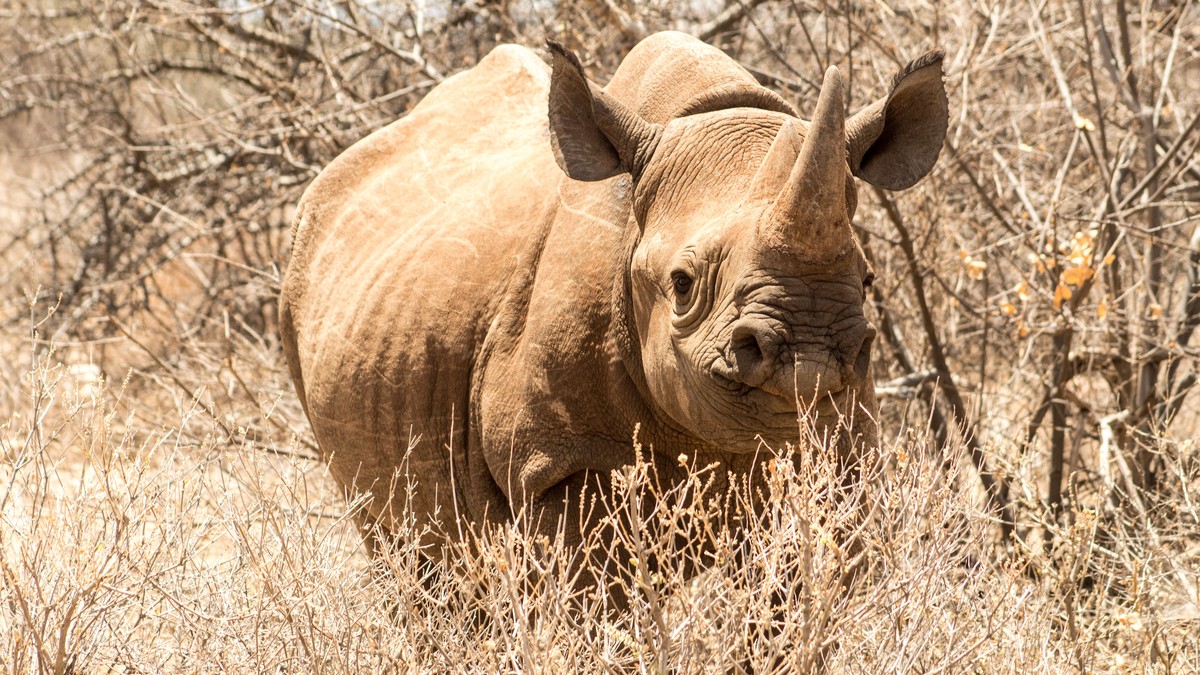
Ol Pejeta isn’t just chimps. It’s also East Africa’s largest black rhino sanctuary, home to the last two northern white rhinos on the planet, Najin and Fatu. A guided game drive can combine chimp viewing with rhino sightings, lion tracking with conservancy researchers, and general game viewing across the 90,000-acre property.
Understanding how a conservancy like Ol Pejeta differs from a national park helps explain why these combined activities work so well here. Conservancies like Ol Pejeta allow guided night drives, walking safaris, and specialist experiences that national parks such as Nairobi National Park or Amboseli generally restrict.
If you’re staying in Laikipia a night or two, it’s worth looking at other Laikipia experiences worth combining with a visit, since the region offers horseback riding, camel treks, and community conservancy visits that pair naturally with a Sweetwaters stop.
Is an Ol Pejeta Chimpanzee Sanctuary Visit Worth It?
Yes, but not as a rushed Nairobi day trip if you can help it. The chimps themselves are worth seeing, especially given the rescue stories guides share and the fact that this is your only chance to see chimpanzees in Kenya at all. For families already road-tripping to Laikipia or combining with Mount Kenya, adding half a day at Sweetwaters is an easy yes.
Where it gets harder to justify is the single-day dash from Nairobi. Nine hours of driving for 30-40 minutes with the chimps is a tough trade for young kids who tire on long car rides. If your schedule allows it, overnighting near Ol Pejeta at a family-friendly lodge and splitting the sanctuary visit across a relaxed morning changes the whole experience. Kids get to nap, stretch, and see rhinos or a sunset game drive without the clock pressure of a return drive to Nairobi that same evening.
The Valley Safaris Difference
We don’t sell the Sweetwaters visit as a standalone ticket item. We build it into a pace that actually works for families, usually two nights in Laikipia so the drive isn’t wasted on a single short viewing window.
Our guides know the sanctuary’s feeding schedule and time your visit around it, so you’re not standing at an empty platform. We also handle the fee stacking ahead of time, conservancy entry, the behind-the-scenes add-on if you want it, and the game drive vehicle, so there are no surprise costs on arrival. Family rooms at partner lodges in the malaria-risk zone come with mosquito nets and we brief every family on prophylaxis before departure, since Laikipia sits within a malaria transmission area.
Plan Your Visit With Valley Safaris
If you’re weighing a Nairobi day trip against an overnight stay near Ol Pejeta, we can help you figure out which fits your family’s pace and budget. Have a look at our Laikipia safari packages or get in touch through our contact page to start planning.